
Business Video Production in Los Angeles
Help customers understand what your business does through the people, actions and details behind it. Fourth Wall plans business video around one useful message, then shapes the story, filming and agreed edits for the places your audience will watch and the next step you want to make clear.
BUSINESS GROWTH
Make the unfamiliar easier to understand
Some services need movement, sequence or a human explanation. A demonstration can show how something works. An interview can make specialist knowledge understandable. A view of the process can help customers picture what happens after they inquire.
Video is useful when that extra context answers a real buying question. The starting point is the viewer’s situation: what they already know, what remains unclear and which next step makes sense. That focus helps determine the story, the people involved and the scenes worth capturing. Planning the intended placements early also gives the finished production a practical role, whether it introduces the business on a website or explains one specific part of the offer.
LOS ANGELES PERSPECTIVE
Choose the question the video should answer
“Tell people about the business” leaves a production with too many possible directions. A more useful brief identifies the question a particular viewer needs answered. What happens during the first appointment? How is this product used? What makes the service suitable for this type of project?
Each question suggests a different structure. An introduction may need a clear explanation of who the business serves. A demonstration needs an understandable sequence and relevant details. An interview needs prompts that lead to specific, useful answers, supported by footage that shows what the speaker means.
A short social edit has its own job too. It may need a quicker opening and a tighter message than the website version. Planning those differences at the start helps capture the right material, instead of expecting one long film to become every possible format later.
WHAT WE DO
What your project can include.
Build the Story Around One Decision
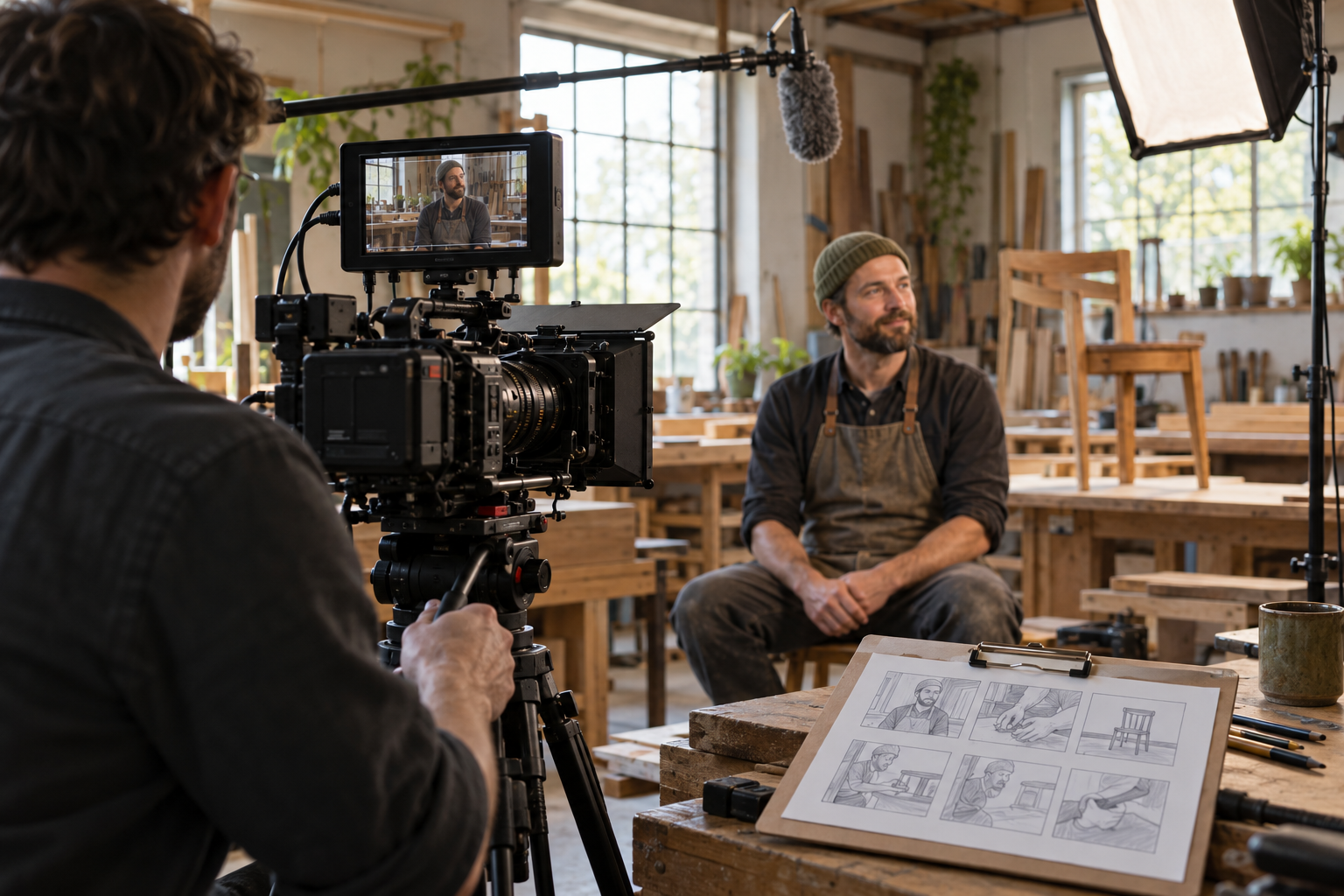
Choose one viewer question, such as what happens at a first appointment. Build the interview prompts, demonstration or storyboard around answering it.
Capture Footage That Makes Value Visible
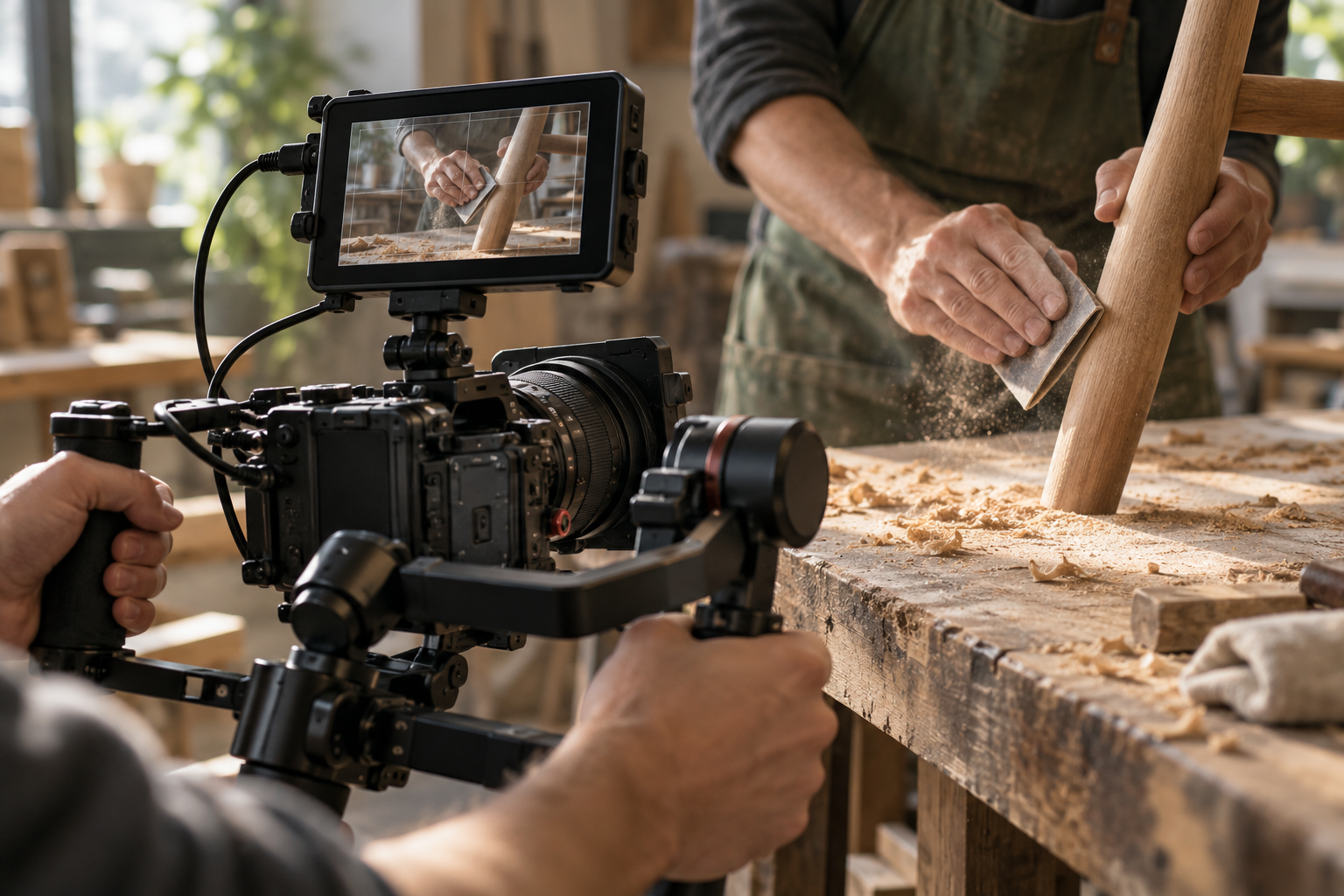
Plan the people, actions and supporting details needed for the story. Check sound, access and permissions at the actual location before filming.
Shape an Edit with Clear Purpose
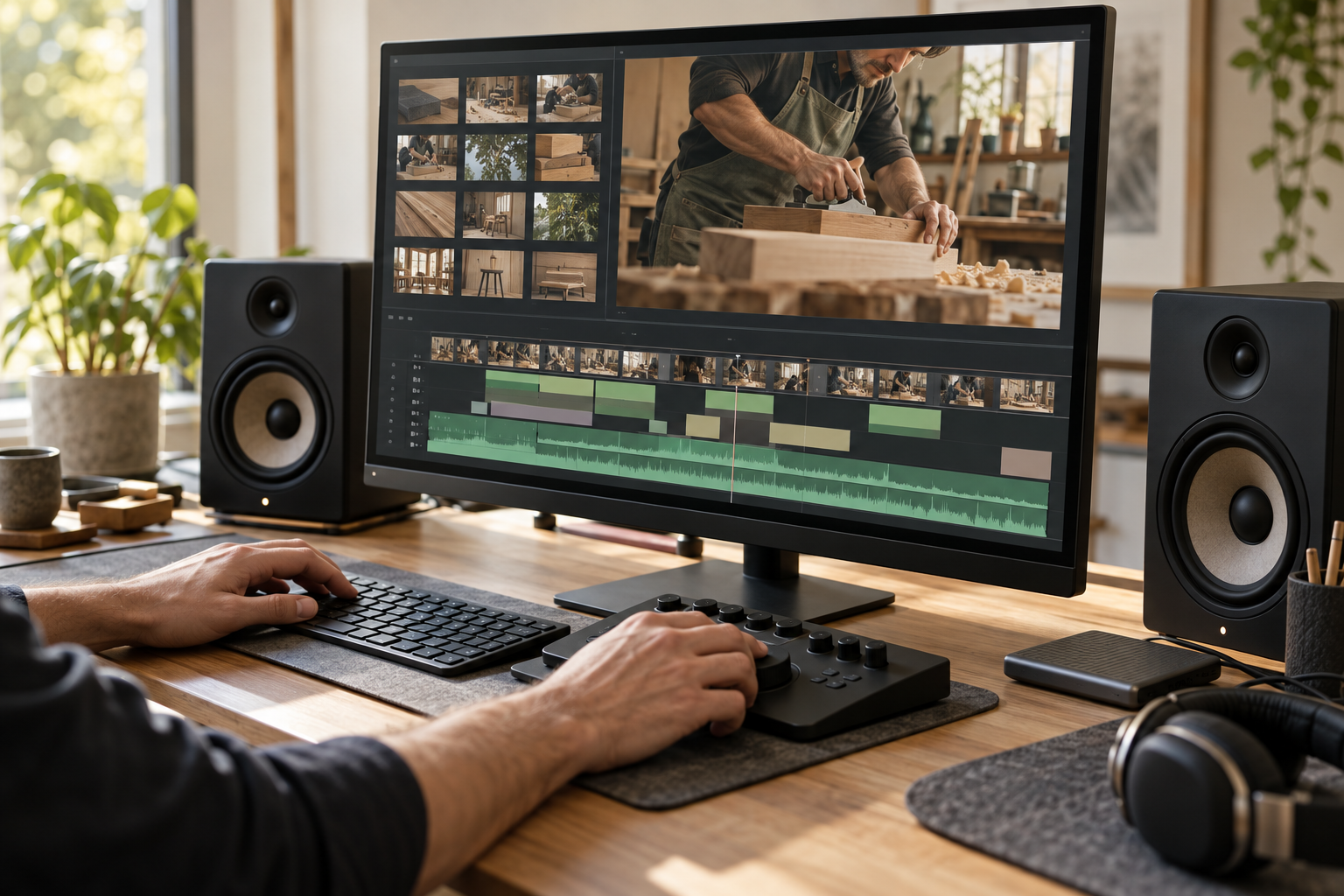
Agree the main edit, any shorter versions, captions and viewing channels. Review the message and final next step alongside the picture and sound.
Introduce your business, explain your services and show the work through video made for the way customers discover you.
What the work can cover
01
A focused creative brief
Define the viewer, main question, intended placement and next step so creative choices have a common direction.
02
A story or interview outline
Organize the script, prompts or demonstration sequence, with business facts and claims reviewed by your team.
03
A practical filming plan
Agree locations, speakers, supporting shots, access and sound considerations before the production is scheduled.
04
Filming and sound capture
Record the agreed people, actions and details with the visual and spoken story working together.
05
Editing and delivery versions
Set the cuts, formats, captions, music use and review boundaries needed for the approved publishing plan.
Build the story before the shoot
01
Define the viewing moment
Choose the audience, placement and central question. Agree what the viewer should understand and where the video should lead.
02
Prepare the story and location
Review the script or prompts, required scenes and production plan. Your team confirms factual claims, participants and access.
03
Record the planned material
Capture the interviews, demonstrations and supporting footage in the brief. Coordinate activity around the location’s practical and privacy needs.
04
Review and finish the edits
Assess the cut against the agreed message. Consolidate feedback through the approval owner and prepare the contracted versions for handoff.
Illustrative planning example. This is not a client project or a reported result.
Example: a first-appointment storyboard
A design studio’s introductory video could follow this sequence:
1. Open with the visitor’s question: what should I bring?
2. Let a team member explain the consultation.
3. Show the materials and planning conversation that support the explanation.
4. Summarize preparation and point to appointment details.
A separate short edit could focus only on preparation. It needs an agreed brief and suitable footage rather than an automatic crop of the main film.
LOS ANGELES PERSPECTIVE
A local shoot needs a workable setting
Filming at a Los Angeles business starts with the conditions of the actual location. A room that looks suitable may have street noise, nearby conversations or equipment that makes an interview difficult. The best schedule also depends on when staff, customers and shared spaces need to be present.
Discuss those conditions before the shoot. A quieter room, a planned pause in activity or a different speaker arrangement may improve the production brief. Access, location permissions and any travel requirements need to be understood alongside the creative direction, with private conversations, documents and customer activity kept outside the agreed coverage.
One clear message or a coordinated production
A focused video
Start here when one important service question needs a well-defined explanation for a specific placement.
Several planned messages
Consider a coordinated production when the same location and people can support distinct, agreed stories and formats.
What to bring to the conversation
• The main message, audience and intended viewing channel
• Available speakers, demonstrations and existing footage
• Location conditions and the person approving the finished work
Before the cameras come out
What kind of video fits the goal?
Begin with what the customer needs to understand. A demonstration suits a process or product in action; an interview can explain expertise; an introduction can establish the business and its audience. The intended placement and available material then help determine the approach. Length follows the message and scope rather than an assumed formula.
Do we need a script or can it be interview-led?
Either approach can be discussed. A script helps when wording or sequence needs close control. Interview prompts can support a more conversational explanation, provided the speaker can give clear, accurate answers. Your team reviews business claims and key messages before filming, with the preparation method agreed in the brief.
Who needs to be available on the shoot?
The agreed speakers or demonstration participants need to be available, along with a person who can coordinate access and resolve business questions. Other staff may be needed briefly for working scenes. Scheduling those roles in advance helps avoid improvising around unavailable people or filming activity that has not been approved.
Are vertical versions and captions included?
They are scope decisions, so raise them before filming. A vertical edit may need different framing or supporting shots; captions need review for names, specialist language and accuracy. The brief should name the required versions, formats and caption outputs. They should not be assumed to follow automatically from a main video.
How are edits and approval rounds agreed?
The agreement sets the review stages, feedback owner and revision boundaries. Consolidated comments help keep decisions consistent, especially when several people contribute. A change to the approved story, new filming or additional versions can affect scope. Establish those boundaries before production so the review process is clear to everyone involved.
How will music, participant and location rights be handled?
Discuss intended distribution and any existing material before production. The project needs an agreed approach to music licensing, participant permission and location use, appropriate to where the finished work will appear. Ownership, raw footage and future reuse are also agreement points. Specific rights or unrestricted use should never be assumed.
Connected services
Social Media Content Production
Plan short-form concepts when the production also needs distinct content for social channels.
Business Photography
Coordinate still photography when the same people or location need a supporting image collection.
Brand Strategy & Creative Direction
Clarify positioning and key messages first when the business story is still unsettled.
Which question is worth showing on screen?
Bring the message, audience and place you expect the video to appear. We can discuss a production approach that makes the explanation clear and useful.