
Local SEO for Los Angeles Small Businesses
Help nearby customers understand where you work, what you offer and how to take the next step. Fourth Wall connects local search information with useful website content, so the business people discover online reflects the service they can actually request.
BUSINESS GROWTH
Make local discovery lead somewhere useful
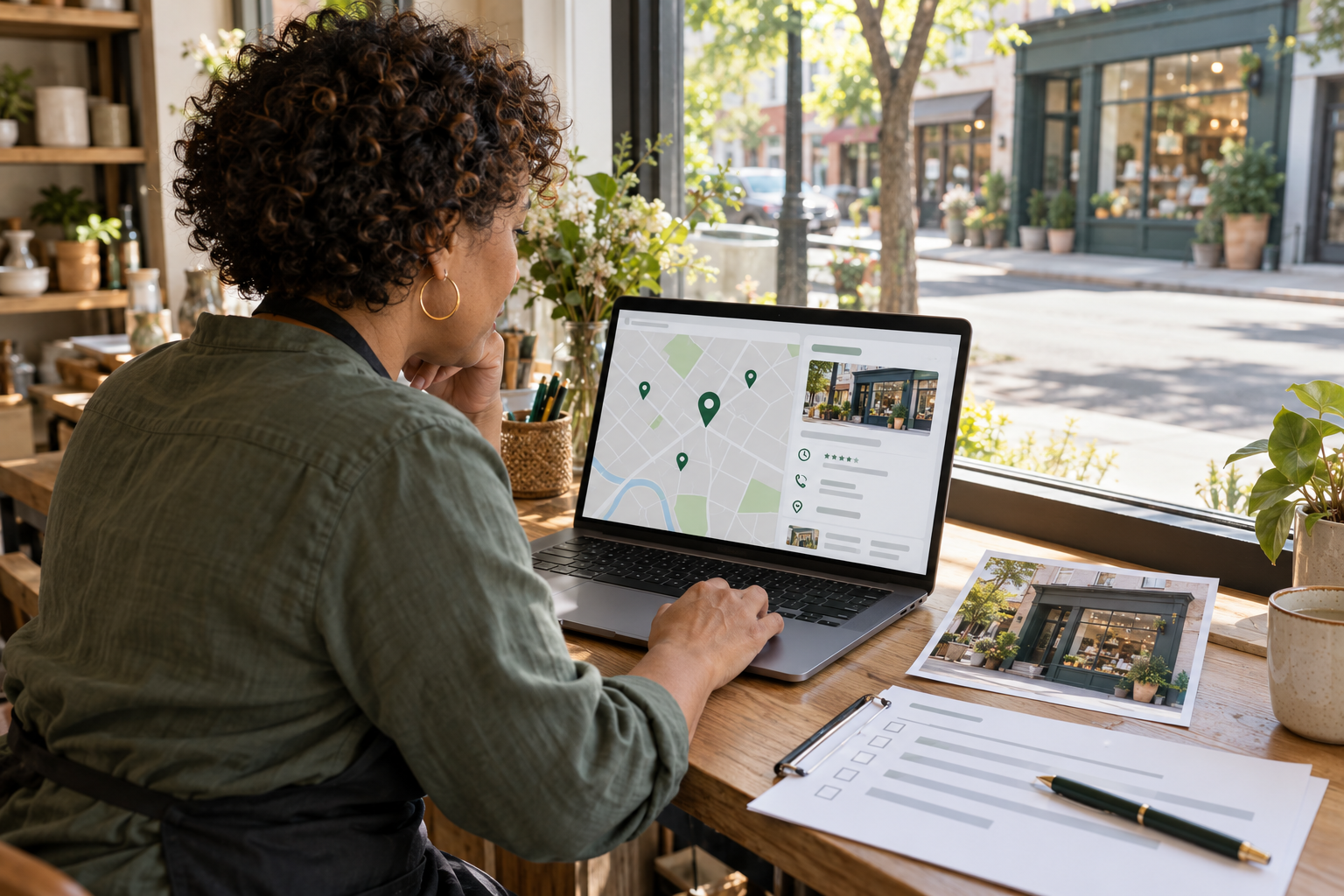
A nearby customer may be comparing places to visit, checking whether a team travels to their address or looking for a particular service. Each decision needs different information. An accurate listing introduces the business; a useful website helps someone decide whether to call, book or ask for a quote.
Local SEO work begins by looking at that connection. Fourth Wall reviews the business information and website pages within the agreed scope, then identifies where missing details, inconsistent descriptions or unclear next steps create friction. The priority might be correcting opening hours, explaining a service area or strengthening a page customers already reach.
This gives improvements a practical purpose: helping relevant customers understand the offer while building a clearer foundation for local discovery.
LOS ANGELES PERSPECTIVE
What belongs on the profile, and what belongs on the website?
A Business Profile and a service page answer different parts of a local customer’s question. The profile gives people a quick way to understand the business and its practical details. The website has room to explain who a service fits, how work begins and what information is useful in an inquiry.
Consider a customer looking for an appointment. Accurate location and hours help them judge whether a visit is workable. A service page can then explain the appointment type, preparation and next step. If that page sends them back to a general homepage without answering their question, the connection is unfinished.
The review therefore follows the route a customer might take across both touchpoints. Updates should agree with one another and describe the same real business. Before adding location pages, establish what useful information each would contribute and whether the business can substantiate it.
WHAT WE DO
What your project can include.
Review the Information Customers Find Locally
Compare names, contact details, locations, hours and services across the website and agreed listings. Resolve inconsistent information and confirm who can authorize changes.
Write Local Pages with Useful Substance
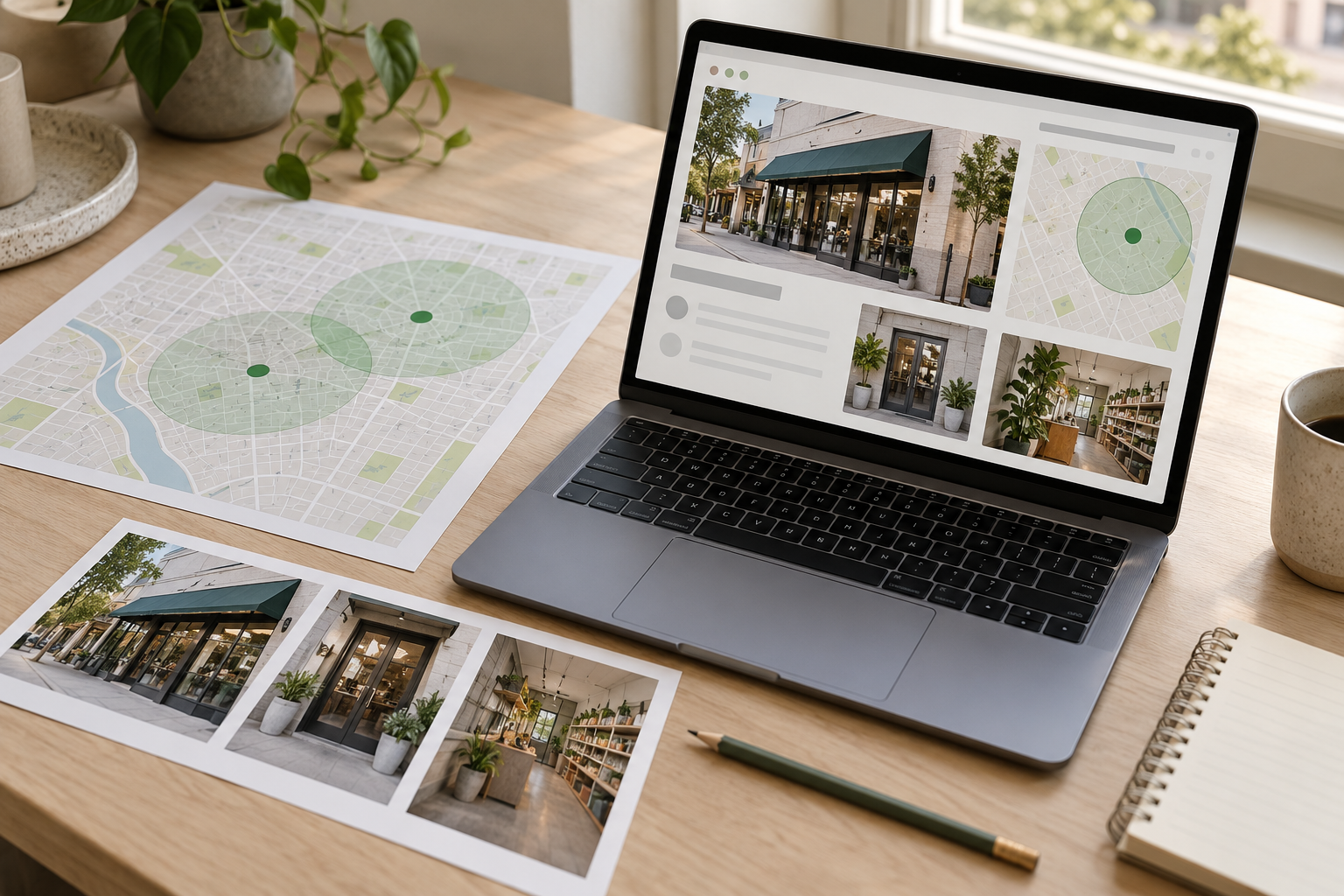
Explain service availability, delivery and the details a local inquiry needs. Give each area page a useful purpose supported by actual coverage and meaningful local information.
Choose Search Priorities from Available Evidence
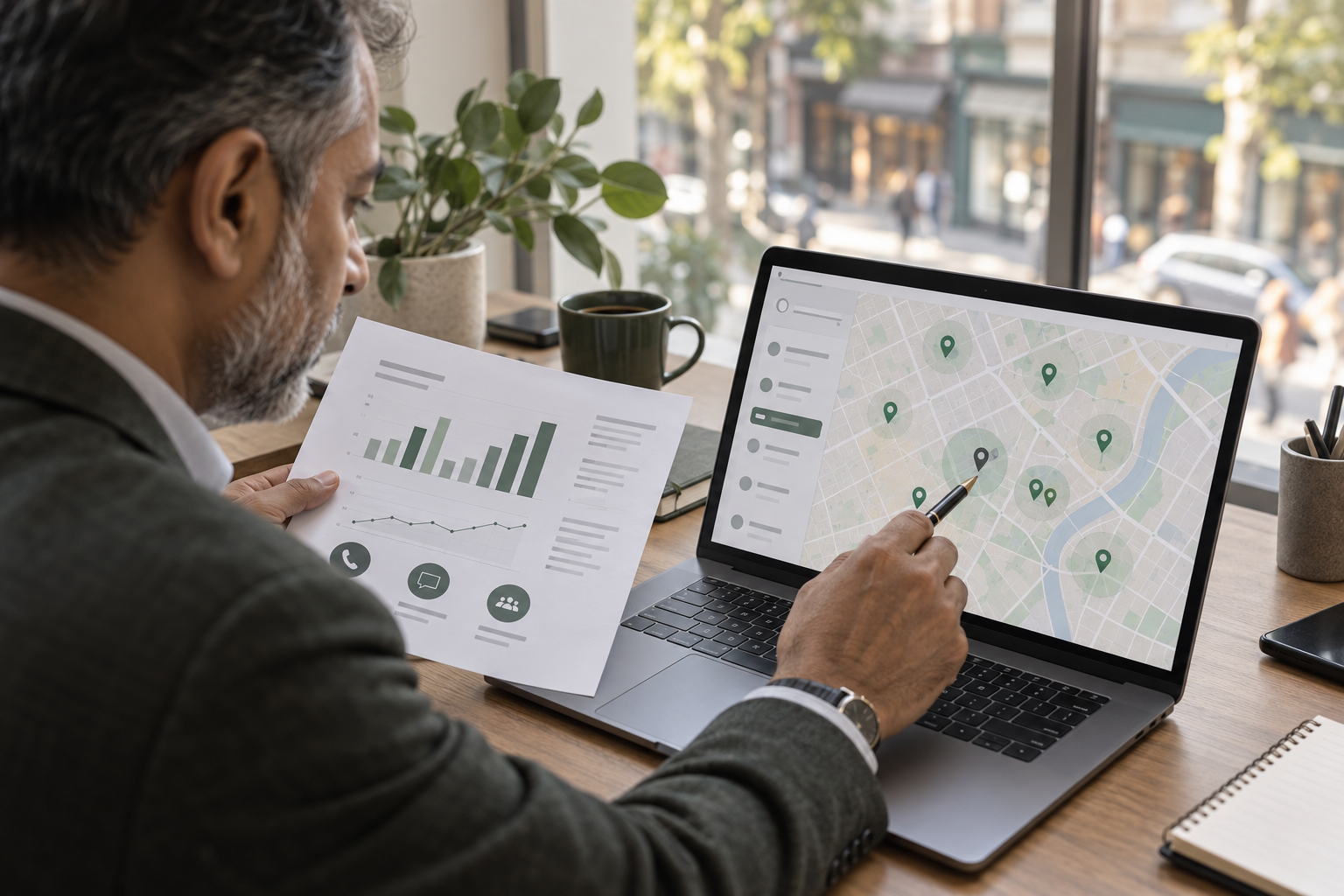
Use available searches, page visits and inquiry records to choose the next improvement. State data gaps and keep observed activity separate from promised rankings or leads.
Help nearby customers find clear, accurate information about your business and take the next step from local search.
Build a clearer local presence
01
Local presence review
Assess the website and eligible Business Profile information together, producing a prioritized list of gaps that affect discovery or customer understanding.
02
Accurate profile information
Prepare relevant updates to business details, services, hours and imagery so customers encounter information the business can confirm.
03
Service and area pages
Plan or improve pages that explain what customers can request in the places you genuinely serve, with a clear route to contact.
04
Practical improvement list
Separate content changes, website usability issues and technical questions, identifying which actions need another specialist or platform owner.
05
Evaluation plan
Agree which available search, website and inquiry signals can inform decisions, alongside the limits of the information.
From local footprint to useful improvements
01
Confirm the footprint
Identify actual locations, service areas, priority services and account owners. You confirm operating facts before recommendations are made.
02
Choose the priorities
Review the agreed touchpoints and available evidence. Select the changes most likely to resolve important information gaps or broken customer paths.
03
Make approved changes
Prepare the agreed profile and website updates for review. Confirm facts and access before implementation, with responsibilities clearly assigned.
04
Review the next question
Compare available signals with the changes made. Identify what can be learned, what remains uncertain and which improvement deserves attention next.
Illustrative planning example. This is not a client project or a reported result.
Example: an appointment-information check
Use this checklist for an appointment-based business:
• Does each service link to the correct booking or inquiry destination?
• Is it clear whether visits require an appointment?
• Can a visitor recognize the entrance from confirmed directions?
• Do the website and profile show consistent hours and contact details?
These checks identify information gaps the business can fix. They do not predict a ranking or booking increase.
LOS ANGELES PERSPECTIVE
Describe the Los Angeles customers you can actually serve
“Los Angeles” can describe a broad audience, but a customer still needs to know whether your service fits their specific visit or address. A storefront, an appointment-only location and a team that travels to customers need different explanations. Travel boundaries may also vary by service or project type.
Useful local content makes those distinctions clear without implying an office in every area named. Start with the locations and coverage the business confirms. Add visit instructions, service limitations or relevant examples where they help a customer choose. When an area has no distinct information to support a separate page, a clear coverage explanation may be the more useful starting point.
Start with the gap customers encounter first
Repair the foundation
Choose this when business details conflict, access is unresolved or existing pages fail to explain the offer clearly.
Deepen useful local content
Choose this when the basics are reliable and specific services or coverage questions deserve a fuller explanation.
What to bring to the conversation
• Actual locations and areas served
• The Business Profile and website access owners
• Priority services, common local questions and available search information
Questions about local SEO
How does local SEO differ from broader website SEO?
Local work concentrates on the relationship between a service, a genuine location or service area, and the customer’s next step. Website SEO can address wider topics and audiences. The work overlaps where useful service pages help local customers assess fit, so the project should connect both rather than treat the profile as a separate island.
What access is needed for a Business Profile review?
A public review can identify visible information gaps. Account-level checks or changes require the appropriate authorized access. Begin by identifying who owns the profile and website accounts; access needs can then be confirmed for the agreed work. Credentials should never be sent in ordinary project messages.
Should we create a page for every area we serve?
Only where a page has a clear purpose and useful, accurate detail. Start with the customer question it answers, the service available and any meaningful local difference. Repeating the same description with a different place name adds little for the reader. Existing coverage pages may need improvement before expansion.
Can you guarantee a top position in Maps?
No. Google describes local results in terms of relevance, distance and prominence, and a particular position cannot be purchased or requested. We can work on accurate information, useful content and clearer customer paths within the agreed scope. A specific ranking, inquiry volume or commercial result is not promised.
What if our details or locations have changed?
Bring the current facts and a record of what changed. We can assess which profile and website information needs attention within the project. Eligibility, ownership or verification issues may affect the next steps, so a change of address should be reviewed in context before anyone creates or edits a profile.
Which measures help evaluate the work?
Choose measures that answer the business question and are available reliably. Relevant search activity, page visits and recorded inquiries can each provide context, but they describe different actions. The plan should distinguish an observed improvement from an assumption, acknowledge missing information and identify what the business will do with the findings.
Connected services
SEO & Website Content
Develop fuller service explanations when local visitors need more detail before contacting you.
Website Design & Development
Improve navigation or inquiry paths when customers find the business but struggle to take the next step.
Google Maps 360° Virtual Tours
Discuss a visual view of a genuine customer-facing location when understanding the space matters to a visit.
What do nearby customers need to know first?
Bring your priority services, real coverage and the local questions your team hears. We can use those details to identify a sensible starting point for the work.