
Social Media Management for Los Angeles Businesses
Keep your social presence connected to what is happening in the business. Fourth Wall helps shape a practical plan for content, approvals and agreed account activity, so useful posts move from an idea to publication with clear responsibilities and a purpose behind them.

BUSINESS GROWTH
Make the calendar workable for your team
A customer may check your social channels after a referral, a search or a first visit. They need a current picture of what you offer and somewhere useful to go next. An organized publishing plan helps the account reflect the business they will actually encounter.
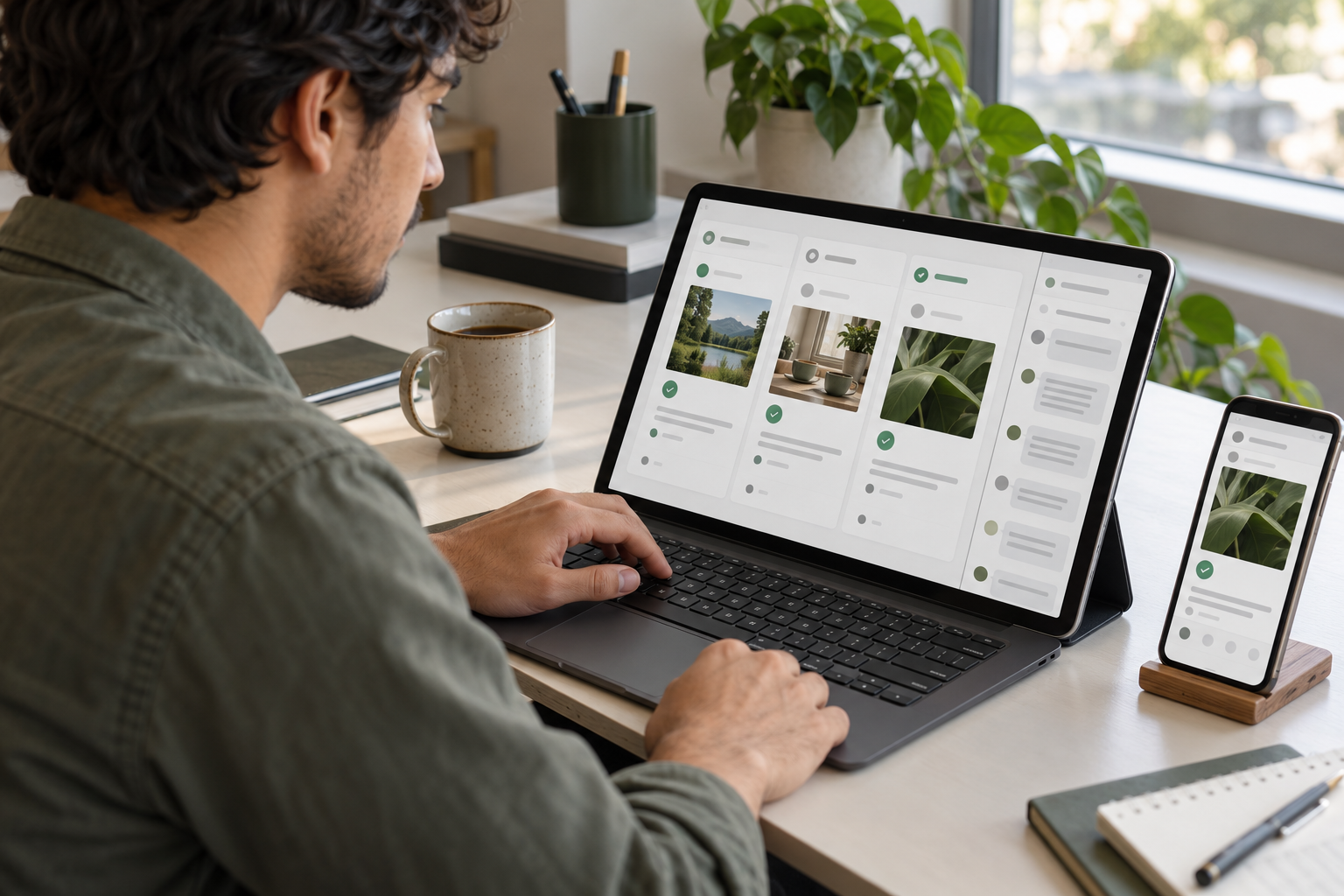
The work often stalls between preparation and approval. An image may be ready while the service details remain unconfirmed. A post may be timely but lack a working destination. Fourth Wall connects those dependencies in a calendar your team can review.
Management can bring structure to themes, assets, account responsibilities and learning. The appropriate rhythm depends on the channels, real business activity and the people available to approve information. Each part should have a clear owner before it becomes a recurring commitment.
LOS ANGELES PERSPECTIVE
What needs to happen between an idea and a post?
A content calendar becomes useful when it shows more than dates. Each proposed post needs a subject, the right asset, accurate details, an intended audience and a destination when one is relevant. It also needs a person who can confirm that the message is ready.
Imagine a post announcing a new appointment option. The photograph may be approved, but the booking page, availability and wording still need checking. Publishing because the calendar says so would make the schedule more important than the customer experience. A good workflow makes that dependency visible and gives the team a way to revise or hold the post.
Production and management can work together, with distinct responsibilities. Production creates the agreed assets; management coordinates how approved material is used. Replies introduce another decision: a routine availability question and a sensitive complaint need different owners. Those boundaries belong in the plan before posting begins.
WHAT WE DO
What your project can include.
Build a Calendar Around Business Priorities
Put the subject, asset, channel, destination and review date together. Flag missing inputs before a timely post becomes a last-minute publishing problem.
Clarify Who Reviews and Publishes Content
Name the factual reviewer and final approver. Agree publishing access, comment or message coverage, and the issues that must return to your team.

Review Signals That Inform Better Choices
Review activity against the account’s purpose and the content published. Use relevant visits or inquiries where recorded; reach and reactions alone do not establish revenue.
Keep your social channels aligned with your services, original content and business priorities through a practical publishing plan.
Define the work behind a consistent presence
01
Channel priorities
Clarify which accounts deserve attention, who they serve and the customer action each should support.
02
Content calendar
Bring themes, draft messages, assets, destinations and timing into one plan so upcoming decisions are visible.
03
Approval workflow
Identify who checks business facts, who gives final sign-off and what happens when information changes or approval is delayed.
04
Publishing and response boundaries
Define agreed publishing actions and any interaction coverage, including which questions return to your team.
05
Activity review
Use available content and inquiry signals to decide which themes, formats or destinations deserve another look.
Set up a publishing process that can keep moving
01
Align accounts and responsibilities
Confirm goals, channels, authorized account owners and available assets. Identify who can approve factual claims and customer-facing offers.
02
Build the working calendar
Prepare themes and proposed posts around business priorities. You confirm important dates, destinations, review needs and any unavailable material.
03
Publish the agreed content
Carry out the approved activity within the chosen scope. Route changed details or sensitive situations back to the responsible person.
04
Use the review to adjust
Look at relevant activity alongside what was posted and what the business learned. Update themes, formats or priorities with a specific reason.
Illustrative planning example. This is not a client project or a reported result.
Example: a publish-or-hold calendar entry
For a studio announcing a new class, record:
• Subject: what the class involves and who it suits
• Asset: approved instructor image
• Destination: current booking information
• Business check: schedule and capacity confirmed
• Approval: final wording signed off by the named reviewer
• Hold condition: registration is delayed or details change
A ready image alone is not enough to mark the post ready to publish.
LOS ANGELES PERSPECTIVE
Keep local updates close to the source
A Los Angeles business may use social posts to explain a visit, highlight an event or communicate changing availability. Those details need to stay connected to the people running the business. A post prepared earlier can become inaccurate if hours change, an event moves or an offer is no longer available.
The calendar should make time-sensitive entries easy to identify and give your team a clear way to flag changes. Local relevance comes from actual activity and useful customer information. Location references, event details and visit instructions should be checked before publication rather than added simply to make a post sound local.
Build the process before increasing the activity
Organize the calendar and approvals
Start here when the team has useful material but needs clearer priorities, review ownership and a reliable path to publication.
Scope ongoing account activity
Consider recurring support once channel priorities, content supply, approval responsibilities and response boundaries are clear.
What to bring to the conversation
• Current accounts and authorized access owner
• Brand guidance and available photos or videos
• Review owner, upcoming business dates and sensitive topics
Questions about social media management
Which channels should we focus on?
Choose channels by the audience you need to reach, the information worth sharing and the resources available to maintain them. An existing account’s useful activity can inform the decision. The consultation should establish a focused role for each selected channel rather than assume every platform belongs in the plan.
Does management include original photography and video?
Original production can be discussed alongside management, but the two need a clear scope. Start by reviewing the usable assets you already have and the gaps in the calendar. Any shoot, editing, new format or asset delivery should be agreed before it becomes a dependency for planned posts.
Who approves posts, and how far ahead?
The business should name a reviewer who can confirm details and give the required approval. Planning lead time depends on the subject, asset availability and review needs. Agree the workflow together, including what happens when a decision is late or a previously approved offer changes.
Are comments and private messages included?
Only when the scope specifically covers them. Define the channels, types of interaction, response boundaries and responsible people. Routine publishing should not leave anyone assuming that customer support is covered. Questions involving private customer details, complaints or commitments need a clear route to the business.
What happens with urgent or sensitive issues?
Establish an escalation contact and the situations that require a pause or review before activity begins. The agreed arrangement should clarify availability and who can decide what happens next. Urgent customer matters should follow the business’s own support process; a social publishing plan does not create an emergency response service.
How will account activity be evaluated?
Connect the review to the purpose of the account, using available signals such as useful interactions, relevant visits or recorded inquiries. Consider the content and business activity behind those observations. Reach, reactions and follower counts can provide context, but should not be treated as proof that a post created revenue.
Connected services
Social Media Content Production
Build an original asset supply when the calendar needs photographs or videos beyond the current library.
Brand Strategy & Creative Direction
Set clearer messages and visual direction when several people need to prepare or approve content consistently.
Marketing Strategy & Planning
Decide how social activity fits the wider customer journey and which channels deserve priority.
Where does your publishing process get stuck?
Bring your current accounts, available assets and the decisions that keep delaying posts. We can work out which responsibilities and content gaps the plan needs to address first.